

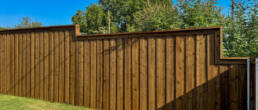
If you have started shopping for a new wood fence, you have probably noticed that quotes can vary quite a bit from one property to the next. Two homeowners on the same street can receive very different numbers, and that is not always a sign that someone is overcharging. Wood fence pricing depends on a handful of factors, from the lumber itself to the shape of your yard and the style you choose. At 326 Construction, we build custom wood fences for homeowners across North Texas, and we believe you should understand exactly where your money goes before any work begins. In this guide, we break down what drives wood fence cost up or down in Texas so you can plan a realistic budget and compare estimates with confidence.
How Wood Fence Pricing Works in North Texas
Most fence contractors in Texas price wood fencing by the linear foot, which is simply the total length of fence running along your property line. That per-foot number usually bundles together materials, labor, posts, concrete, and basic hardware. Gates, removal of an old fence, and special design features are often priced separately, so it is worth asking what is included when you review any estimate.
For a standard wood privacy fence in Collin County, installed pricing typically falls somewhere between $28 and $55 per linear foot. Where your project lands in that range depends on the choices and conditions we cover below. A simple 6-foot fence on flat, open ground will sit toward the lower end, while a taller board-on-board design with custom trim on a sloped lot will move toward the higher end.
Labor is a meaningful part of the total. Setting posts deep enough to handle North Texas wind, keeping lines straight across uneven ground, and hanging pickets tight and level all take time and skill. Rushed labor can make a quote look attractive, but it often leads to leaning sections and early repairs.
This is why we measure every property in person before giving a number. A written estimate based on real measurements, not a phone guess, gives you a clear picture of cost with no surprises later. If you want to see how we approach custom wood privacy fences from the first call to the final walkthrough, our service page covers the full process.
Wood Fence Materials That Raise or Lower the Price
Cedar vs. Pine
Wood species is one of the biggest cost drivers. Pressure-treated pine is usually the most budget-friendly option up front, but it is more prone to warping, shrinking, and splitting as it dries out in Texas heat. Cedar costs more per board, yet it is naturally resistant to rot and insects and tends to stay straighter over time. For most privacy fences, we recommend premium cedar because it holds up well in our climate with less upkeep.
Lumber Grade and Board Thickness
Not all cedar is the same. Higher grades have fewer knots and a more uniform look, while lower grades cost less but may show more imperfections. Picket thickness matters too. Thicker pickets resist warping and hold fasteners better, which adds to the material cost but improves long-term performance. Proper care also protects that investment, and our guide to fence maintenance in North Texas covers simple ways to keep a wood fence in good shape.
Posts, Rails, and Hardware
The parts you notice least play a big role in how long a fence lasts. Post size and spacing, the number of horizontal rails, and the quality of screws or nails all affect price. Sturdy posts set in concrete and corrosion-resistant fasteners add a little to the bill, but they help the fence stand up to storms and keep pickets from loosening over the years.
How Height and Fence Style Affect Wood Fence Cost in Collin County
Height has a direct effect on material use. A 6-foot privacy fence is the most common choice in our area, and moving up to 8 feet means longer pickets, taller posts set deeper, and more labor per section. Extra height adds privacy and noise reduction, but check local rules first. Planned neighborhoods in McKinney, Allen, and Plano often have height limits set by the city or HOA.
Style is the next major factor. A classic dog-ear top with side-by-side pickets uses the least lumber and installs the fastest, making it one of the more affordable wood fence styles. A shadowbox design alternates pickets on each side of the rails, which looks good from both sides and allows some airflow, but it requires more boards. Board-on-board fencing overlaps pickets so there are no gaps even as the wood shrinks, giving you the most complete privacy and typically landing at the higher end of the price range.
Finishing details also add up. A top cap, trim board, or kickboard at the base changes the look of a fence and can help protect picket ends from moisture and ground contact. Horizontal designs and decorative accents take extra time to build and align correctly.
None of these upgrades are required, and a well-built standard fence can look great for years. During our consultation, we can compare a few style options so you can see how each one affects the final number.
Property Conditions That Change Fence Installation Costs in Texas
Your yard itself can push the price up or down. Two fences of the same length and style can have very different installation costs depending on what we find on site. Here are the property conditions that most often affect wood fence pricing in Texas:
- Slopes and uneven ground: Fences on sloped lots need to be stepped or racked to follow the grade, which takes more time, careful measuring, and sometimes extra material to close gaps at the bottom.
- Soil type: Much of North Texas has heavy clay soil that expands and contracts with moisture. Setting posts deep and securing them properly is essential, and rocky or especially hard ground can slow down digging.
- Old fence removal: Tearing out an existing fence, pulling old posts and concrete, and hauling away debris adds labor and disposal costs. If your current fence is struggling, these signs it is time to replace your old wood fence can help you decide whether replacement makes sense.
- Trees and brush along the fence line: Branches, heavy brush, roots, and landscaping may need to be trimmed or cleared before installation can begin.
- Access to the work area: Tight side yards, limited gate access, or obstacles like pools and sheds can slow down material delivery and installation.
- Utilities and property pins: Marking underground lines and confirming boundaries is a necessary step that helps avoid costly mistakes.
We account for all of these details during our on-site visit so your estimate reflects the real work involved.
Gates, Permits, and Other Extras to Budget For
Beyond the fence itself, a few add-ons can make a noticeable difference in your total project cost. Gates are the most common. A single walk gate for yard access is relatively simple, while a double drive gate wide enough for a trailer, mower, or vehicle requires heavier framing, stronger posts, and quality hinges and latches to prevent sagging. Many homeowners also choose custom gates with sturdier frames or automatic openers, which add cost but improve durability and convenience.
Permits are another factor. Many cities in Collin County and the surrounding areas require a fence permit, and fees vary depending on where you live. Some cities also have rules about height, placement, and which side of the fence faces outward. We handle the permit paperwork where it is needed, but these requirements can still affect cost and timeline.
If you live in a neighborhood with a homeowners association, your HOA may have its own guidelines for fence height, style, stain color, and materials. Those rules may steer you toward a design that costs more or less than you planned. We work with HOA requirements regularly and can help you find a design that meets the rules while still giving you the privacy you want.
Finally, think about staining or sealing. A protective stain adds some upfront cost, but it can help cedar hold its color and resist moisture over time.
Smart Ways to Keep Your Wood Fence Cost Down Without Cutting Corners
Plan the Layout Carefully
Because pricing is based on linear footage, the fence layout has a direct impact on cost. Fencing only the areas where you truly need privacy, or tying into an existing fence section that is still in good condition, can reduce the total footage.
Choose Where to Upgrade
You do not need premium features on every side. Some homeowners choose board-on-board along the side facing a street or close neighbor and a simpler style along less visible lines. Mixing styles thoughtfully keeps the look you want while controlling cost.
Prepare Your Yard Ahead of Time
Clearing brush, moving outdoor furniture, and marking sprinkler heads before installation day can help the project move efficiently. Our post on how to prepare your property for a new fence installation walks through the key steps.
Think Long Term
The lowest quote is not always the best value. A fence built with quality cedar, deep-set posts, and solid hardware may cost more up front but can save you from repairs and early replacement. We back our wood fences with a 5-year labor warranty, and we offer flexible financing through Wisetack for homeowners who want to spread payments out over time.
Your Wood Fence Cost Checklist Before Getting an Estimate
Before you request quotes, it helps to have a clear idea of what you want and what might affect your price. Use this quick checklist to prepare:
- Estimate the total linear footage and decide which sides of the yard need fencing.
- Choose your preferred wood, keeping in mind that cedar costs more up front but holds up better in Texas weather.
- Decide on height and style, such as dog-ear, shadowbox, or board-on-board.
- Note any slopes, trees, or tight access points along the fence line.
- Plan for gates, including how many you need and how wide they should be.
- Check your city and HOA rules on height, style, and permits.
- Ask whether old fence removal, cleanup, and staining are included in the estimate.
When comparing estimates, look at more than the bottom line. Make sure each quote covers the same materials, height, style, and extras so you are comparing equal projects.
Schedule a Consultation for Your Wood Fence in North Texas
Every property is different, and the best way to know what your wood fence will cost is to have it measured in person. At 326 Construction, we walk your property with you, talk through materials and styles, and provide a clear, detailed written estimate with no hidden fees. You will know exactly what you are paying for before any work begins. Whether you are planning a new privacy fence or replacing an old one, our team is ready to help you find the right balance of quality, style, and budget. Schedule a consultation with us today and take the first step toward a wood fence built to handle Texas weather for years to come.
Ready for an expert opinion? Get in touch today!
Get practical tips, project ideas, material comparisons, and expert guidance from the 326 Construction team. Whether you’re planning a new privacy fence, custom patio, or metal building, our articles help you make informed decisions for your North Texas property.
Like this article? Spread the word!
Related Posts

November 2, 2026
Wood vs. Wrought Iron Fencing: Which Is Right for Your Property?
Comparing wood and wrought iron fencing? See which fits your property best, then schedule…

June 18, 2026
Why Homeowners Across Fannin County, TX Choose 326 Fencing for Their Custom Wood Privacy Fences
Looking for a custom wood privacy fence in Fannin County, TX? 326 Fencing builds premium…
November 3, 2026
326 Construction’s Guide to Choosing an Automatic Gate for Your McKinney, Allen & Plano Property
Considering an automatic gate for your McKinney, Allen & Plano property? Get our guide to…