

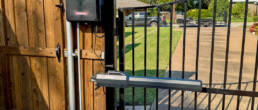
An automatic gate adds convenience, security, and a strong first impression to a property, and it’s become an increasingly popular upgrade for homeowners throughout McKinney, Allen, and Plano. Choosing the right automatic gate involves more than just picking a style. Opener type, material, and safety features all play a role in how well the gate performs day to day, and getting these details right upfront makes the difference between a gate you love using and one that becomes a source of frustration. Here’s our guide to choosing an automatic gate that fits your property and lifestyle.
Why Homeowners in McKinney, Allen & Plano Choose Automatic Gates
As these communities continue to grow, more homeowners are looking for ways to add both security and curb appeal to their properties. An automatic gate does both at once. It controls who can access the driveway without requiring anyone to get out of the car, and it serves as a strong visual statement at the entrance to the property. For families with young children or pets, an automatic gate also adds a layer of safety by keeping the driveway secured without relying on someone remembering to close a manual gate every time. Larger properties with long driveways set back from the street benefit especially, since an automatic gate eliminates the walk back and forth to open and close a manual one.
Home values in these communities have continued to climb as more families move to the area, and an automatic gate is one of the more noticeable upgrades a property can have when it comes to first impressions. Whether a buyer is driving by or arriving for a showing, a well-designed automatic gate signals a level of care and investment in the property that’s hard to convey with fencing alone.
We also hear from homeowners who simply want the daily convenience of not stepping out of the car in the rain or summer heat to open a manual gate. That practical benefit, on top of the security and curb appeal advantages, is often what pushes a homeowner from considering an automatic gate to actually scheduling one.
Types of Automatic Gate Openers
Choosing an opener is one of the first practical decisions in an automatic gate project, and it shapes several other choices that follow, including gate style and how much clearance you’ll need in front of the driveway. It’s worth thinking through this decision before getting attached to a specific gate design, since the opener type can influence what’s realistic for your particular driveway.
Common Opener Styles
- Swing gate openers, which push or pull the gate open on hinges, similar to a standard gate but motorized
- Slide gate openers, which move the gate horizontally along a track, often used where space in front of the gate is limited
- Solar-powered openers, useful for driveways far from an existing power source
- Keypad, remote, or smartphone-based access controls, which can be used individually or combined
The right opener style often comes down to available space and driveway layout. A shorter, wider driveway may work well with a swing gate, while a narrow driveway or one with limited clearance in front of the gate might be better suited to a slide gate system.
Power source is another practical consideration. Solar-powered openers work well for driveways far from an existing electrical connection, and modern solar systems are reliable enough to handle daily use even through cloudy stretches, though a hardwired connection is generally the more dependable option when power is already available nearby. We’ll assess your driveway’s layout and existing utilities during a consultation to recommend the opener type that makes the most sense for your specific setup.
Choosing the Right Gate Material and Style
 Automatic gates can be built from the same materials used in custom gate projects generally, including wood, wrought iron, and pipe or steel. Wood gates offer a warm, classic look and can be designed to match an existing wood privacy fence. Wrought iron gates lean more decorative and pair well with brick or stone homes, often complementing a matching wrought iron fence along the front of the property. Pipe and steel gates tend to suit larger rural-style properties or driveways where durability matters more than a decorative finish. Whichever material you choose, matching the gate’s style to your home’s overall look, and to any existing fencing, helps the finished project feel intentional rather than added on as an afterthought.
Color and hardware finish deserve some thought as well. A gate’s finish should generally coordinate with any existing fencing, exterior light fixtures, or house numbers on the property, since mismatched metal tones tend to stand out in a way that undercuts an otherwise well-designed gate. We can walk through finish options during a design consultation to help the gate tie in with the rest of your property’s exterior details.
Access Control and Safety Features to Consider
Safety and access control often get less attention than style during the planning process, but they matter just as much for how well the gate works day to day.
Features Worth Discussing With Your Installer
- Safety sensors that stop the gate from closing if something is in its path
- Battery backup in case of a power outage
- Multiple access methods, such as a keypad for guests and a remote for household members
- Integration with an existing home security or smart home system, if you have one
Safety features are especially important for households with children or pets who might be near the gate while it’s operating. A gate installed without proper safety sensors can pose a real risk, so this is worth prioritizing over purely aesthetic considerations when planning your project.
Access control setup is worth thinking through based on who regularly needs to get onto the property. Households often want a mix of options: a remote clipped in the car for daily use, a keypad at the entrance for guests, delivery drivers, or service providers, and sometimes a smartphone app for remote access when checking on the property while away. Layering a few access methods together tends to work better in practice than relying on just one, since it accounts for the different ways people actually need to get through the gate day to day.
Maintaining Your Automatic Gate
Like any mechanical system, automatic gates need occasional maintenance to keep working reliably, and a little routine care goes a long way toward avoiding an unexpected repair down the road. Hinges and tracks should be lubricated periodically to prevent binding or unusual noise during operation. Sensors and access controls benefit from a periodic test to confirm they’re still functioning correctly, especially after severe weather. The gate’s frame and finish should be inspected for rust or wear the same way you’d check any other metal fencing on the property, since catching small issues early prevents more significant repairs later. Keeping the opener’s motor and wiring protected from moisture also goes a long way toward extending the system’s lifespan in our humid North Texas summers.
We recommend a basic seasonal check similar to what we suggest for any fence or gate on the property: a quick visual inspection for rust or wear, a test of the opener and safety sensors, and lubrication of any moving hardware. Catching a sticking hinge or a slow-responding sensor early usually means a simple fix, while ignoring these small signs can eventually lead to a bigger repair or a gate that stops working reliably when you need it most.
Planning Your Automatic Gate Project
Before moving forward with an automatic gate, think through the following:
- Measure your driveway width and available clearance to help determine the right opener type
- Decide which material best matches your home and any existing fencing
- Prioritize safety features, especially if children or pets are often near the driveway
- Ask about backup power options in case of an outage
Having these details in mind before your consultation helps our team recommend the right gate and opener setup for your specific driveway and property layout.
It’s also worth thinking about how the gate fits into any broader plans for the property. If you’re planning to add or update fencing at the same time, coordinating the two projects means the gate and fence can be designed together from the start, rather than trying to match a new gate to fencing that was installed with different style choices in mind. Homeowners who plan both projects together tend to end up with a more cohesive final look than those who tackle them separately, months or years apart.
Budgeting for an Automatic Gate
Cost for an automatic gate depends on gate size, material, opener type, and any access control features you choose to add. A basic swing gate with a straightforward opener will typically cost less than a wider slide gate with multiple access methods and battery backup built in. Material choice affects cost as well, with wood generally running less expensive upfront than wrought iron or heavier pipe and steel construction. Beyond the initial installation, it’s worth budgeting for occasional maintenance, such as opener servicing or hardware replacement, over the life of the gate. We provide a detailed written estimate for every automatic gate project so you know exactly what’s included, from the gate itself to the opener, access controls, and any electrical work required, before committing to a final design. We also offer financing options through our Wisetack partnership if you’d rather spread the cost of a larger automatic gate project over time.
Ready to Add an Automatic Gate?
Our team has installed automatic gates for homeowners throughout McKinney, Allen & Plano and the surrounding Collin County communities, and we’re glad to help you choose the right style, material, and opener for your property. We’ll walk your driveway, talk through access needs for your household, and recommend a gate and opener setup built to handle daily use for years to come. Schedule a consultation with 326 Construction, and let’s talk through the best automatic gate solution for your driveway.
Ready for an expert opinion? Get in touch today!
Get practical tips, project ideas, material comparisons, and expert guidance from the 326 Construction team. Whether you’re planning a new privacy fence, custom patio, or metal building, our articles help you make informed decisions for your North Texas property.
Like this article? Spread the word!
Related Posts

How to Prepare Your Property for a New Fence Installation
Planning a new fence? See how to prepare your property, from checking permits to clearing…

How to Choose the Right Driveway Gate for Your Rockwall County Property
Choosing a driveway gate for your Rockwall County property? Learn about materials,…

Wood vs. Wrought Iron Fencing: Which Is Right for Your Property?
Comparing wood and wrought iron fencing? See which fits your property best, then schedule…