


A well-built fence is designed to last for years, but a little routine maintenance goes a long way toward getting the most out of that investment. North Texas weather is not always easy on fencing, between intense summer heat, sudden storms, and stretches of heavy rain, so the materials on your property face more wear than they might in a milder climate. Left unchecked, small issues like a loosening post or a rusted hinge can turn into much bigger and more expensive repairs down the line.
Whether you have a wood privacy fence, metal fencing, chain link, or a mix of materials across your property, a bit of regular upkeep can help you avoid those larger repairs and keep your fence looking its best. Below, our team at 326 Construction walks through simple maintenance tips by material, along with a seasonal checklist to keep your fence in good shape year-round.
Why Regular Fence Maintenance Matters in North Texas
Texas weather swings from triple-digit summer heat to sudden cold fronts and heavy spring storms, sometimes within the same week. That kind of temperature and moisture swing puts real stress on fencing materials over time. Wood expands and contracts with humidity, metal can rust or corrode when moisture sits too long on the surface, and clay-heavy soil common across the region can shift with rainfall, putting pressure on posts and footings.
Routine maintenance helps catch small issues, like a loose post or a rusted hinge, before they turn into bigger, more expensive problems. It also helps your fence continue to look sharp and function properly for both security and curb appeal. A fence that is checked and cared for once or twice a year typically lasts significantly longer than one that is left alone until something breaks, and it usually costs far less over the life of the fence to stay ahead of small problems than to deal with them after the fact.
Maintenance needs vary quite a bit depending on the material, the amount of sun and moisture exposure a section receives, and how the fence is used day to day. A shaded backyard fence and a fence line running along an open pasture will not wear in exactly the same way, even if they are built from the same material, so it helps to think about maintenance section by section rather than treating the entire property the same.
Wood Fence Maintenance Tips
 Wood fencing offers classic curb appeal and strong privacy, but it also requires the most consistent care of any fencing material. Moisture is the biggest long-term threat to wood, so most maintenance tasks are focused on managing water exposure and catching early signs of wear before they spread across the fence line.
A few maintenance basics for wood fencing:
- Reseal or stain the fence every one to three years, depending on sun and moisture exposure
- Trim back grass, mulch, and landscaping that sits directly against the bottom of the fence
- Check posts periodically for movement, rot, or soft spots near the base
- Tighten or replace loose nails, screws, and brackets as they wear
- Address small areas of rot or splintering quickly before they spread to nearby boards
- Rinse off dirt, pollen, and mildew buildup periodically to help stain and sealant last longer
Sun exposure matters quite a bit for wood fencing. Sections that sit in direct sun for most of the day tend to dry out and fade faster, while shaded sections are more prone to holding moisture and developing mildew or soft spots. Knowing which parts of your fence fall into each category can help you prioritize where to focus your maintenance time each year. If you are noticing recurring issues despite regular upkeep, it may be worth having your wood privacy fencing assessed to see whether a few sections need replacing rather than continued repair.
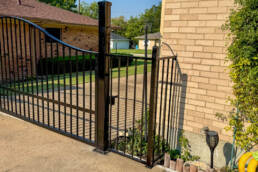
Metal Fence Maintenance Tips
Wrought iron and pipe or steel fencing are both known for their strength and long lifespan, but metal fencing still needs periodic attention to stay rust-free and structurally sound. Since these materials are often chosen for security and durability on farms, ranches, and larger properties, keeping them properly maintained helps protect that investment for decades.
Maintenance tips for metal fencing:
- Inspect for surface rust or chipped paint at least once or twice a year
- Touch up paint or protective coatings as soon as bare metal becomes visible
- Keep vegetation and sprinklers from spraying directly onto metal posts and rails
- Check welds and joints periodically, especially on older pipe and steel fencing
- Lubricate moving hardware on gates to prevent sticking or excess wear
- Watch for standing water pooling near post bases after heavy rain
Catching rust early, while it is still surface-level, is much easier and less expensive than dealing with it after it has spread into the structure of your wrought iron fencing or steel framework. A quick coat of touch-up paint on a small rust spot today can prevent the need for a section replacement a few years down the road, so it is worth staying ahead of even minor discoloration.
Chain Link Fence Maintenance Tips
Chain link fencing is one of the lowest-maintenance options available, which is part of why it remains such a popular, affordable choice for homeowners and businesses alike. Even so, a bit of routine attention helps keep it functioning well and looking presentable for years to come.
Simple upkeep for chain link fencing:
- Check for loose or bent sections after major storms
- Look for rust developing at cut ends or where the coating has worn away
- Keep the fence line clear of heavy vine growth, which can stretch and warp the mesh over time
- Confirm tension bands and ties remain secure along the top and bottom rails
- Straighten small dents or bends before they widen into larger gaps
Because chain link is largely maintenance-free compared to other materials, it is easy to forget about entirely until something looks visibly wrong. A quick annual walk-through is usually enough to catch minor issues early. If your chain link fencing has been in place for many years and is showing widespread wear, it is often more cost-effective to replace worn sections than to continually patch small problem areas.
Gate Maintenance Tips
Gates see more daily use than any other part of your fence, which means they tend to show wear before the rest of the fence line does. Regular gate maintenance helps prevent the kind of sudden failure that leaves a gate stuck open, stuck closed, or dragging on the ground, and it is especially important for automatic gates that rely on properly functioning hardware and sensors.
Keep gates functioning smoothly with these steps:
- Lubricate hinges, rollers, and latches every few months
- Check that gates still swing or slide evenly without dragging or sticking
- Inspect automatic gate openers and sensors periodically for proper function
- Tighten loose bolts or brackets on hinges and frames as needed
- Clear debris, dirt, or vegetation from tracks on sliding gates
A gate that starts to sag or drag is often a sign that a hinge or bracket needs attention before the problem gets worse. If your gate has started sagging or sticking despite regular care, it may be a sign that the frame or hinges need more than a quick adjustment, and it is worth having it looked at before it becomes a bigger repair.
Common Fence Maintenance Mistakes to Avoid
A few maintenance habits can end up doing more harm than good if you are not careful. Being aware of these common mistakes can help you get more value out of the time you spend caring for your fence.
Mistakes worth avoiding:
- Pressure washing wood fencing too aggressively, which can strip the surface and force water deeper into the grain
- Skipping sealant or stain for several years in a row, then trying to catch up all at once
- Ignoring small rust spots on metal fencing until they spread across an entire section
- Letting sprinkler heads spray directly onto wood or metal posts on a daily basis
- Waiting until a gate completely stops working before addressing a hinge or track issue
Most of these mistakes come down to putting off small tasks until they become bigger ones. Staying consistent with a simple routine, even a short walk around the property every few months, tends to prevent far more problems than any single deep-clean or repair session ever could.
Seasonal Fence Maintenance Checklist
Use this quick checklist as a general guide throughout the year:
- Spring: Inspect for winter storm damage and clear debris along the fence line
- Summer: Check wood for sun damage and reseal or stain if needed
- Fall: Trim back landscaping and clear leaves before winter weather arrives
- Winter: Watch for ground movement or shifting after freezes and heavy rain
A quick seasonal check, even just a short walk along your fence line a few times a year, is often enough to catch small issues before they grow into larger repairs. This kind of routine attention takes very little time compared to the cost and disruption of an unexpected repair, especially if a problem is left unaddressed through multiple seasons of Texas weather. It applies whether you are maintaining fencing in Greenville, Hunt County, or anywhere else across our North Texas service area.
Keeping a simple record of when you last resealed your wood fence, touched up paint on metal sections, or checked gate hardware can also help you stay consistent from year to year, rather than relying on memory alone to know what has and has not been done.
Need Help With Fence Maintenance or Repairs?
Staying on top of fence maintenance helps protect your investment and keeps your property looking its best year-round. If you are noticing wear that goes beyond routine upkeep, or if it has simply been a while since your fence was checked, our team is happy to take a look and let you know honestly what needs attention now and what can wait.
Reach out to our team with any questions, or schedule a consultation today and we will help you decide whether your fence needs a simple tune-up or a bigger fix, so it keeps performing well and looking great for years to come.
Ready for an expert opinion? Get in touch today!
Get practical tips, project ideas, material comparisons, and expert guidance from the 326 Construction team. Whether you’re planning a new privacy fence, custom patio, or metal building, our articles help you make informed decisions for your North Texas property.
Like this article? Spread the word!
Related Posts
How Much Does a New Fence Cost in Texas?
Wondering what a new fence costs in Texas? See what drives pricing, then schedule a…

6 Easy Ways to Boost Curb Appeal With a New Fence or Gate
Boost your property's curb appeal with a new fence or gate. Get expert tips from 326…

5 Signs It’s Time to Replace Your Old Wood Fence
Not sure if your wood fence needs repair or replacement? Learn the top 5 warning signs…