

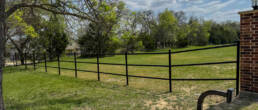
When you are ready to add a new fence to your property, a little preparation goes a long way. Taking care of a few key steps before installation day helps our crew work efficiently, helps you avoid unexpected delays, and helps make sure you end up with the exact fence you pictured. Whether you are adding a wood privacy fence, a set of custom gates, or a full property perimeter, knowing what to expect ahead of time makes the entire process smoother from start to finish.
At 326 Construction, we walk every homeowner and landowner through the process before we ever break ground. A well-prepared property not only speeds up installation, it also helps our team catch potential issues, like drainage concerns or unclear boundaries, before they become bigger problems. Below, we will cover what to check, clear, and confirm on your property before your new fence installation begins, along with a few things worth knowing about how the process typically unfolds.
Confirm Your Property Lines and Fence Boundaries
Before any fence goes into the ground, it helps to know exactly where your property lines fall. Fences built too close to a boundary, or accidentally over it, can lead to disputes with neighbors, complications with your local municipality, or issues down the road if you ever sell your property. Boundary lines can also shift in people’s memory over the years, especially on larger rural properties where an old fence or tree line has been treated as the “unofficial” boundary for a long time.
If you are unsure of your exact lines, a property survey or plat map from your county records is the most reliable way to confirm them. Many homeowners already have a copy of their survey from when they purchased the property, and it is worth digging that paperwork out before your consultation.
A few ways to confirm your boundaries:
- Pull your property survey or plat from your closing documents or county records
- Look for existing survey pins or markers at property corners
- Talk with neighbors about shared fence lines before work begins, especially if you plan to split the cost of a shared section
- Ask our team for guidance if you are unsure how a new fence should be positioned relative to your lines
Once your boundaries are confirmed, we can plan the fence line with confidence, which helps avoid delays once installation begins and gives you peace of mind that your new fence is placed exactly where it should be. This step matters just as much for a small backyard privacy fence as it does for a larger pipe or steel fence running along several acres, since a mistake in either direction can be costly to correct later.
Check Permits, HOA Rules, and Utility Locates Before You Dig
Depending on where your property is located, you may need a permit before installing a new fence, and many neighborhoods have homeowners association guidelines around fence height, material, color, and style. Checking these requirements early helps prevent surprises once your project is scheduled, and it can save you from having to make changes after materials have already been ordered.
If your property is part of an HOA, it is a good idea to review the community’s architectural guidelines or submit an approval request before finalizing your fence design. Some associations have specific rules about how close a fence can sit to the street, what materials are allowed along front-facing property lines, and how tall a privacy fence can be in the backyard.
You will also want to have your property lines marked for underground utilities before any digging starts. Utility locate services identify buried lines for gas, water, electric, and other utilities so posts can be set safely and without damaging anything underground. This step typically only takes a few business days once requested, so it is worth doing early in the planning process rather than waiting until installation week.
If you are not sure what applies to your property, our team is happy to answer questions and help you understand what steps might apply before we schedule your installation. We work across several counties and communities, and requirements can vary quite a bit from one municipality to the next, so it never hurts to ask early rather than assume one property’s rules apply to another.
Clear the Fence Line and Prepare the Ground
 A clear, accessible fence line helps our crew move efficiently and reduces the chance of delays on installation day. Taking time to clear the area beforehand also gives you a better look at the finished sightline before posts go in, which can help you catch any adjustments you want to make before work begins.
Things to clear or address along the fence line:
- Overgrown brush, weeds, or low tree branches
- Old or damaged fencing, posts, or hardware that needs to be removed
- Rocks, roots, or debris in the path of the new fence
- Sprinkler heads, drip lines, or landscape lighting near the planned fence line
- Outdoor furniture, planters, storage sheds on wheels, or décor that sits close to the property line
If your yard has significant grading issues, standing water, or areas that stay muddy after rain, mention this when you schedule your consultation. Ground conditions can affect post depth, spacing, and the type of footing needed, and it is much easier to plan around them ahead of time than to adjust mid-project. Properties with heavy clay soil, which is common throughout North Texas, sometimes need extra attention during post setting to keep the fence stable through seasonal ground movement.
Plan for Gates, Slopes, and Existing Structures
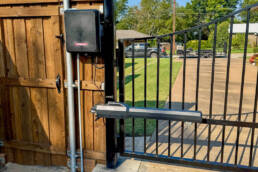
Every property is a little different, and thinking through a few details before installation helps your new fence function well for years to come. Gate placement is one of the most important decisions to make early. Consider where you need walk gates for everyday access to the backyard, and where a wider driveway gate might make sense for vehicles, trailers, or equipment. If you are considering an automatic gate for your property, our guide to choosing a driveway gate walks through material, sizing, and automation options in more detail.
Other details worth planning for:
- Sloped or uneven sections of your property that may need stepped or racked panels
- Drainage patterns, so rainwater has somewhere to go once the fence is in place
- Existing structures like sheds, decks, patios, or pools that the fence line will run near
- Pets or livestock that may need temporary containment during installation
Sharing these details with our team during your consultation helps us design a layout that works with your property rather than against it, so the finished fence looks intentional and functions the way you need it to every day.
Choose the Right Fence Material for Your Property and Needs
The material you choose affects everything from maintenance to how the fence is installed, so it is worth thinking through before your project begins. Each material has different ground preparation needs, post spacing, and installation timelines, which is part of why this decision matters early in the process rather than something to figure out on installation day.
A quick look at common options:
- Wood privacy fencing for classic curb appeal and full backyard privacy
- Wrought iron fencing for an upscale look with strong, long-lasting security
- Pipe and steel fencing for farms, ranches, and larger acreage properties
- Chain link fencing for affordable, low-maintenance containment
If your property has more than one goal, such as privacy along the backyard and open sightlines along a pasture, we can often mix materials along different sections of the same fence line. If you are still deciding between options, our team can walk through the pros and cons of each based on your property, budget, and long-term goals during your consultation, so you feel confident in the choice before any work begins.
What to Expect on Installation Day
Once your property is prepped and your material is chosen, installation day itself tends to move quickly. Our crew will confirm the marked boundaries and utility locates, set posts along the planned line, and work section by section until the fence is complete. Depending on the size of the project, material, and any grading or gate work involved, installation timelines can range from a single day for smaller sections to several days for larger properties or more involved projects like automatic gates.
Keeping pets indoors, moving vehicles away from the work area, and making sure gates and access points stay clear helps our team move efficiently throughout the day. If you have questions once work begins, our crew is happy to walk through progress with you and explain what is happening at each stage.
Weather can also play a role in scheduling, especially during North Texas storm season or stretches of extreme summer heat. If conditions require us to adjust a start date, we will communicate that with you as early as possible so there are no surprises. Planning ahead on your end, combined with clear communication on ours, is usually all it takes to keep a project moving on schedule.
Quick Checklist: Getting Your Property Ready for Installation
Before your scheduled installation date, use this quick checklist to make sure your property is ready:
- Property lines and boundaries confirmed
- Permits and HOA approval checked, if applicable
- Utility locate requested and completed
- Fence line cleared of brush, debris, and old fencing
- Sprinklers, lighting, and landscaping moved away from the fence line
- Gate locations and access points decided
- Fence material and style selected
Working through this list ahead of time helps your installation day go smoothly, whether you are adding fencing to a property in McKinney, Allen, or Plano or anywhere else across our service area. Our team is always available to answer questions if you are not sure whether a step applies to your specific project.
Ready to Get Started on Your New Fence?
A little preparation now sets the stage for a smooth, efficient fence installation later. From confirming your property lines to choosing the right material for your needs, our team is here to help at every step along the way. We treat every property like our own, with honest communication and craftsmanship built to last through Texas weather.
If you are ready to move forward, schedule a consultation with our team today. We will walk your property with you, answer your questions, and help you plan a fence installation that fits your home, land, and budget from the very first step. No matter where you are located within our service area, we are glad to help you plan a project that is built to last.
Ready for an expert opinion? Get in touch today!
Get practical tips, project ideas, material comparisons, and expert guidance from the 326 Construction team. Whether you’re planning a new privacy fence, custom patio, or metal building, our articles help you make informed decisions for your North Texas property.
Like this article? Spread the word!
Related Posts
326 Construction’s Guide to Choosing an Automatic Gate for Your McKinney, Allen & Plano Property
Considering an automatic gate for your McKinney, Allen & Plano property? Get our guide to…

Wood vs. Wrought Iron Fencing: Which Is Right for Your Property?
Comparing wood and wrought iron fencing? See which fits your property best, then schedule…

How to Maintain Pipe & Steel Fencing in North Texas Weather: Tips from 326 Construction
Learn how to protect your pipe and steel fencing from North Texas heat, storms, and…