

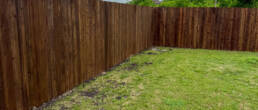
A wood fence can last for many years with the right care, but no fence lasts forever. Texas weather, from intense summer heat to sudden storms and heavy rain, puts real wear on wood over time, and eventually small issues turn into bigger ones. The tricky part is that wear often happens gradually, so it is easy to get used to a fence that has slowly gone from sturdy to struggling without really noticing the change day to day.
Knowing what to look for can help you decide whether it is time for a simple repair or time for a full replacement. Below, we will walk through five common signs that your wood fence may be nearing the end of its life, along with what each one usually means for your property and when it makes sense to call in a professional. We will also cover how to think through repair versus replacement, so you can make the choice that fits your property and your budget with confidence.
1. Leaning, Sagging, or Uneven Fence Panels
If sections of your fence are leaning, sagging in the middle, or no longer sitting level along the top, that is often a sign of a bigger structural issue rather than something a quick fix will solve. This usually points to problems below the surface, where posts have loosened, shifted, or started to rot underground, even if the visible portion of the post still looks solid.
A few common causes include:
- Posts that have rotted or weakened below the ground
- Soil movement from heavy rain, drought, or the clay-heavy soil common across North Texas
- Age-related wear on original hardware and fasteners
- Storm damage or fallen branches that stressed the frame
A fence that leans in one or two spots might be repairable with new posts or additional bracing. If the leaning is spread across multiple sections, though, it is usually a sign that the entire fence line has aged out at roughly the same time, and replacement becomes the more practical long-term option rather than patching one section after another every time a new spot starts to shift.
2. Rotting, Splintering, or Water-Damaged Wood
Wood fencing is a beautiful, classic choice, but it is also the most susceptible to moisture damage over time. Rot typically starts near the bottom of pickets and posts, where wood stays in contact with soil, mulch, or standing water after rain. Once rot sets in, it tends to spread, and boards that look fine on the surface can be soft or crumbling underneath, which makes it easy to underestimate how far the damage has already progressed.
Signs of water damage to watch for:
- Dark, discolored patches on boards or posts
- Wood that feels soft, spongy, or crumbles when pressed
- Persistent splintering, even after the fence has been sealed or stained
- A musty smell near the base of the fence line
- Visible insect activity, since damp, softened wood is more attractive to pests
If rot is limited to a board or two, replacing individual sections can extend the life of the fence for a few more years. If it has spread across multiple panels or worked its way into the posts themselves, a full replacement is typically the more cost-effective path forward, since ongoing patchwork repairs on rotted wood rarely hold up for long. Pressure-treated and cedar boards resist rot better than untreated pine, so if you notice this issue repeatedly with the same type of wood, a replacement with a more weather-resistant material may be worth considering.
3. Loose, Wobbly, or Broken Fence Posts
Fence posts do the heavy lifting for the entire structure, so when they start to fail, the rest of the fence follows close behind. If you can grab a post and rock it back and forth with minimal effort, that is a clear sign the post has lost its footing in the ground, whether from rot, erosion, or simple age. A single wobbly post might just need to be reset or replaced, but if several posts along the line show the same issue, it usually means the whole fence is due for an upgrade.
Broken or split posts are an even more urgent concern, since they can no longer support the weight and wind load of the panels attached to them. During North Texas storm season, weakened posts are often the first part of a fence to give way, which can turn a manageable repair into an emergency replacement if it is not addressed ahead of time. Catching this issue early, before a storm rolls through, can save you from dealing with a fence that comes down unexpectedly, and from the added cost and hassle of an emergency repair after the fact.
4. Gaps, Missing Boards, or Failing Hardware
A fence with visible gaps, missing pickets, or rusted and stripped hardware is no longer doing its job the way it should, whether that job is privacy, security, or keeping pets and kids safely inside the yard. These issues tend to build gradually, so it is easy to get used to a fence that has slowly become less effective over time, right up until a pet finds the one gap wide enough to slip through.
Common wear points to check:
- Boards that have fallen off or been removed and never replaced
- Rusted, bent, or missing nails, screws, and brackets
- Gates that no longer close, latch, or align properly with the frame
- Widening gaps between boards as wood shrinks and warps with age
- Warped boards that curve or twist away from the fence line
If your gate is part of the issue, it is worth thinking about your gate options at the same time as your fence, since gates typically see more daily wear from opening and closing than the rest of the fence line and often need attention on a similar timeline.
5. Your Fence No Longer Fits Your Needs
Sometimes a fence is not failing structurally, but it is no longer serving the purpose you need it to. Maybe your family has grown, you have added pets, or your priorities around privacy and security have changed since the fence was first installed. A fence that once felt like enough coverage might now feel too low, too open, or simply outdated compared to the rest of your property and how you actually use your yard today.
This is also a good time to consider whether wood is still the right material for your goals, or whether something like wrought iron or chain link might better match your property. Larger properties transitioning to livestock or expanded acreage sometimes find that a different material altogether makes more sense for the next chapter. Replacing an aging fence is also an opportunity to improve curb appeal and boost your property’s overall value, especially if the current fence has become more of an eyesore than an asset. Even a straightforward material or style upgrade can noticeably change how a property looks and feels from the street.
Repair or Replace? How to Decide
 Not every issue on this list means you need a brand new fence right away. Age, extent of damage, and how much you have already invested in repairs are all worth weighing before you decide which direction makes the most sense for your property and your budget.
A few questions that can help guide the decision:
- How old is the fence, and is it approaching the typical lifespan for wood fencing in this climate?
- Is the damage limited to one or two isolated sections, or spread across the entire fence line?
- Have you already replaced multiple boards or posts within the past year or two?
- Would a repair address the root cause, or just patch a symptom of a bigger underlying problem?
As a general rule, a fence with isolated damage on a structure that is otherwise sound is usually a good repair candidate. A fence with widespread issues across several of the signs above, especially one that is already a decade or more old, is typically a better candidate for full replacement. Replacing the whole fence at once also means everything matches, ages evenly, and comes with a fresh start rather than a patchwork of old and new sections side by side that age and weather at different rates over time.
Quick Checklist: Is It Time to Replace Your Fence?
If you are still weighing repair versus replacement, run through this quick checklist:
- Multiple posts are loose, broken, or leaning
- Rot or water damage has spread across several boards
- Gaps, missing pickets, or broken hardware are common along the fence line
- Repairs have become frequent or increasingly expensive
- The fence no longer meets your privacy, security, or design needs
If two or more of these apply to your property, replacement is usually the more practical and cost-effective choice compared to ongoing repairs. Continuing to patch an aging fence piece by piece often ends up costing more over time than simply starting fresh with a new one, and it means dealing with the same disruption and inconvenience again and again rather than solving the problem once. Our wood privacy fencing team can take a look and help you decide which option makes the most sense for your budget and timeline.
Ready to Replace Your Old Fence?
An aging, damaged fence does not have to stay a problem on your property for another season. Whether you are dealing with a few trouble spots or a fence that has reached the end of its useful life, our team can help you plan a replacement that is built to last through North Texas weather. We treat every property like our own, with clear communication and honest craftsmanship from the very first conversation. We are proud to serve homeowners and landowners in Wylie, Sachse, Murphy, and surrounding communities, along with the rest of our service area.
If you have questions about your specific fence or want an honest assessment before deciding, feel free to reach out to our team. When you are ready to move forward, schedule a consultation and we will help you plan a new fence that fits your property, your goals, and your budget from the very first conversation.
Ready for an expert opinion? Get in touch today!
Get practical tips, project ideas, material comparisons, and expert guidance from the 326 Construction team. Whether you’re planning a new privacy fence, custom patio, or metal building, our articles help you make informed decisions for your North Texas property.
Like this article? Spread the word!
Related Posts
How Much Does a New Fence Cost in Texas?
Wondering what a new fence costs in Texas? See what drives pricing, then schedule a…
6 Easy Ways to Boost Curb Appeal With a New Fence or Gate
Boost your property's curb appeal with a new fence or gate. Get expert tips from 326…

326 Construction’s Guide to Fence Maintenance in North Texas
Keep your fence in top shape year-round. Our guide covers wood, metal, and chain link…